
"Beware 'Eco-Friendly' Christmas Gifts that Are No Such Thing," By Angela Logomasini, Ph.D. If you are looking to find some eco-friendly holiday gifts and decorations this year, be careful what advice you follow. Intentional or not, many suggestions about “eco-friendly” products are faulty because they are driven more by political preferences than scientific realities. In the words of Austrian economist Ludwig von Mises, there’s an “anti-capitalist mentality” among people on the Left, … [Read more...]
Children’s Environmental Health Grants Fund Junk Science
November 18, 2019

"Federal Children's Environmental Health Grants Used to Peddle Junk Science," By Angela Logomasini, Ph.D For more than two decades, the federal government has doled out millions of dollars to fund university-based “children’s environmental health centers.” These centers operate under the guise of objectivity, but they are far from objective. They are instead part of a web of left-leaning environmental activist organizations that have long misused taxpayer funds to peddle junk science, leading … [Read more...]
Truth about Plastic Straws
August 8, 2019

"The Truth about Plastic Straws," By Angela Logomasini, Ph.D. President Trump’s campaign has raised nearly half a million dollars in a matter of weeks selling plastic straws with “Trump” emblazed on each one. They fetch $15 for a package of 10 plastic straws, as the campaign markets them with the slogan: “Liberal paper straws don’t work.” That’s surely a high price tag for plastic straws, but the message is priceless. For the past couple years, the Left has been pushing plastic straw bans in … [Read more...]
Emotions, Not Facts, are Guiding Juries against Roundup
May 15, 2019

"Emotions, Not Facts, are Guiding Juries against Roundup," By Angela Logomasini Ph.D. A California jury this week awarded a whopping $2 billion based on a couple's claim that glyphosate, the active ingredient in Monsanto’s weed killer known as Roundup, caused their cancers. Yet just last month, the Environmental Protection Agency reaffirmed its long-held finding that the chemical does not cause cancer. The lesson here is not that the Environmental Agency was wrong, but that sometimes the … [Read more...]
Earth Day Ideology
April 22, 2019

"Ideology Undermines Earth Day Goal," By Angela Logomasini, Ph.D. April 22 is the 49th anniversary of Earth Day as well as the former communist dictator Vladimir Ilyich Lenin’s 149th birthday. Is it a coincidence that these two events occur on the same day? Maybe. But there’s no doubt that each share a blind adherence to ideological biases against the free market — biases so devoted to big-government policies that disregard their failings. For example, the activist … [Read more...]
EPA Program that Needs to be Cut
February 22, 2019
"The Flawed EPA Program that Needs to be Cut From the Federal Budget," By Angela Logomasini, Ph.D. As the Trump administration and Congress look for items to trim from the federal budget, they should paint a target on the Integrated Risk Information System (IRIS) at the Environmental Protection Agency (EPA) — and then pull the trigger. Though its supporters laud it as the “gold standard for risk assessment,” the program has a long history of sloppy research that lacks transparency. IRIS is a … [Read more...]
Banning Plastic Bags Will Hurt Businesses, Consumers
February 6, 2019

"Another Voice: Banning Plastic Bags Will Hurt Businesses, Consumers," By Angela Logomasini, Ph.D. Gov. Andrew M. Cuomo hopes to gain some green points by passing a statewide plastic shopping bag ban. He seems oblivious to the serious adverse impacts on small businesses and their employees, as well as on consumers and the environment. There are 30 companies in New York State that manufacture plastic bags with 1,500 employees that will suffer if the ban takes effect, a representative for the … [Read more...]
It’s Not Really Green to Ban Plastic Bags
January 20, 2019

"Science Shows that it's Not Really Green to Ban Plastic Bags," By Angela Logomasini, Ph.D. As if grocery shopping weren’t enough of a hassle, it’s about to become even more inconvenient in New York — for no good reason. State lawmakers may soon cave to the anti-plastic craze by passing a statewide plastic bag ban. In its zeal to jump on the anti-plastic bandwagon, the Legislature would force consumers to use alternatives that use up more resources and have been shown to endanger public … [Read more...]
Green Holiday Shopping Advice is Toxic to Your Pocketbook
December 19, 2018

"Green Movement's Holiday Shopping Advice is Toxic to Your Pocketbook," By Angela Logomasini, Ph.D. As the holiday revelry begins, self-proclaimed “consumer advocates” have sounded the alarm about so-called “toxic toys”—toys that supposedly contain dangerous chemicals. But don’t let them get your spirits down, because their findings are simply not credible, and following their advice could burn a hole your pocketbook faster than the Heat Miser. Near the top of the naughty list is the U.S. … [Read more...]
Ruling on Roundup is Good News
October 20, 2018

"Judge Tentative Ruling on Roundup is Good News for Farmers, Consumers," By Angela Logomasini, Ph.D. It’s good news for consumers that a superior court judge may put the brakes on a case alleging that the popular weed killer Roundup causes cancer. The science behind this claim — and nearly 9,000 other similar cases pending against Roundup’s manufacturer, Monsanto — is sorely lacking. If this case and others succeed, Roundup will likely be removed from the marketplace based on junk science … [Read more...]
Is Your Weed Killer Killing You?
July 30, 2018

"Is Your Weed Killer Killing You?" By Angela Logomasini, Ph.D. You might think that the popular weed killer known as Roundup is causing cancers around the world thanks to alarming news coverage of pending lawsuits. The first of thousands of such cases has now gone to trial in San Francisco, with the plaintiff claiming that Roundup caused his non-Hodgkins lymphoma. But don’t panic. While the illnesses in these cases are tragic, it is highly unlikely that they have anything to do with … [Read more...]
EPA Risk Assessment Program
May 16, 2018
"EPA IRIS Program Is Hardly The 'Gold Standard'” By Angela Logomasini, Ph.D. Don’t be fooled by those who say the U.S. Environmental Protection Agency (EPA) Integrated Risk Information System (IRIS) sets the gold standard for chemical risk assessments. In addition to a long history of sloppy research, lack of transparency, and low productivity, IRIS suffers from a more fundamental flaw that recent reform efforts are unlikely to resolve. EPA officials created IRIS administratively in 1984 as … [Read more...]
EPA’s Excessive Caution
May 16, 2018

"Excessive Caution at EPA Produces Absurd Conclusions" By Angela Logomasini, Ph.D. In an April 24 blog post, I detailed why a recent National Academies of Sciences review of the Environmental Protection Agency’s Integrated Risk Information System—a research program that conducts chemical risk assessments—should be disregarded. Basically, NAS did nothing more than pat EPA on the back for having finally implemented some of NAS’s recommended procedural reforms that the agency should have put in … [Read more...]
Plastic Bans Won’t Solve Ocean Plastic Problem
May 5, 2018
"Counterpoint: Plastic Bans Won't Solve Ocean Plastic Problem," Angela Logomasini, Ph.D. Proposed “solutions” to mounting plastic waste in the ocean continue to border on the absurd — suggesting that banning straws, bags and other consumer products offers an answer. While these policies might make good political sound bites, they are unlikely to solve anything, and they divert attention away from real solutions. Plastics that are washed out to sea have accumulated in certain areas of the … [Read more...]
Secret Science Rule is Pro-science, Pro-consumer
April 30, 2018
"Pruitt’s Rule Ending Secret Science is Pro-science, Pro-consumer," Angela Logomasini, Ph.D. EPA Administrator Scott Pruitt’s proposed rule to increase public access to scientific data makes eminent sense, since transparency is a cornerstone of the scientific process. The public should have access to data that agencies use to pass regulations that impose economic burdens and limit consumer choice. Pruitt modeled this rule after the Honest and Open New EPA Science Treatment (HONEST) Act (H.R. … [Read more...]
Failures of Chemical Safety Research at Environmental Protection Agency
April 24, 2018
Systematic Failures of Chemical Safety Research at Environmental Protection Agency By Angela Logomasini, Ph.D. “If at first you don’t succeed, try, try again” could be the motto of one of the key research programs at the U.S. Environmental Protection Agency known as the Integrated Risk Information System (IRIS). EPA staff have been working for nearly a decade to improve the scientific process of this program, but have yet to get it right. IRIS has proven controversial because of its … [Read more...]
Drain EPA’s Bureaucratic Swamp
March 27, 2018

Obama Holdovers Work to Save EPA Junk Science, By Angela Logomasini, Ph.D. Obama administration holdovers at the Environmental Protection Agency are doing their best undermine efforts to drain EPA’s bureaucratic swamp. And thus far, unfortunately, they’re succeeding. A recent example is Congress’s failure to cut, or even reduce, funding of one of EPA’s controversial research programs known as the Integrated Risk Information System, or IRIS. According to Chemical Watch, the Trump … [Read more...]
Human Achievement Benefits Nature’s Creatures—Including Pets
March 19, 2018

Environmental activists want you to “take action for our planet and nature” by sitting in the dark for an hour on March 24th. But we at the Competitive Enterprise Institute would rather keep the lights on and celebrate Human Achievement Hour, because we recognize that living well is not a crime. In fact, the human ingenuity that brought us light has proved not only good for people; it benefits nature and its creatures as well. The anti-technology activists somehow think that economic … [Read more...]
Political Concerns Trumping Honeybee Science
March 9, 2018

"European Food Safety Assessment Proves Nothing about Risks to Bees," By Angela Logomasini, Ph.D. As European Union (EU) risk assessments purportedly “confirm” that systemic pesticides threaten honeybees and lawmakers quickly clamor for pesticide bans, the stark reality is that so far in this process, political concerns have been trumping science. In fact, politics has prevented scientists from considering the bigger picture, and, as a result, both bees and the world’s food supply will … [Read more...]
Holiday Fear about Toy Safety
December 14, 2017

"Nanny State Activists Spread Holiday Fear about Toy Safety," By Angela Logomasini, Ph.D. Rather than spreading holiday cheer, nanny state activists apparently prefer to spread fear about toy safety. Indeed, activists are using the holiday season as a news hook to advance their big government agendas. But parents should dismiss their Grinch-styled tactics in favor of common sense, which is more helpful and doesn’t require further empowering a federal nanny. A common theme among these scare … [Read more...]
Fearing Chemicals in your Thanksgiving Feast? Don’t.
November 22, 2017

"Neurotoxins in Your Thanksgiving Meal," By Angela Logomasini, Ph.D. Should you “go organic” for Thanksgiving, buying only “chemical free” foods? That’s the suggestion of some “health advocates” who say it’s in your best interest to avoid “dangerous” synthetic chemicals, particularly pesticides. Yet not only is it impossible to avoid chemicals, it’s simply not necessary for public health purposes. All physical things are made of chemicals, so yes, there are chemicals in your … [Read more...]
Is Using Pesticides an Act of Chemical Warfare?
November 15, 2017

"Is Using Pesticides an Act of Chemical Warfare?" By Angela Logomasini, Ph.D. A substance that “belongs to a class of chemicals developed as a nerve gas made by Nazi Germany is now found in food, air and drinking water,” thanks to President Donald Trump according to an article found online. This “neurotoxin” is in “same chemical family as sarin nerve gas,” which has been used as a chemical weapon in Syria, notes another writer. You might think such outlandish claims come from some looney … [Read more...]
Study: Glyphosate Does Not Cause Cancer
November 10, 2017
"Long-term Study Finds That the Pesticide Glyphosate Does Not Cause Cancer," By Katarina Zimmer. A new study has found no conclusive link between exposure to glyphosate—the main ingredient in a popular weedkiller—and cancer. The new study, which was seen by Reuters, draws on long-term data collected through the Agricultural Health Study. This has monitored the health of nearly 90,000 people in Iowa and North Carolina from 1993 to 2010, including farmers licensed to apply pesticides to … [Read more...]
Chemical Warfare for Bugs Only
November 9, 2017

"Is Using Pesticides an Act of Chemical Warfare?" By Angela Logomasini, Ph.D. A substance that “belongs to a class of chemicals developed as a nerve gas made by Nazi Germany is now found in food, air and drinking water,” thanks to President Donald Trump according to an article found online. This “neurotoxin” is in “same chemical family as sarin nerve gas,” which has been used as a chemical weapon in Syria, notes another writer. You might think such outlandish claims come from some looney … [Read more...]
Eric Lipton Smears EPA Chemical Office Official Nancy Beck
November 9, 2017

"New York Times' Eric Lipton Smears EPA Chemical Office Official Nancy Beck," By Angela Logomasini. Recently, Project Veritas released a series of undercover videos that reveal how New York Times journalists are more interested in smearing the Trump administration than in reporting objective news. But you don’t need to go undercover to see examples of such unfair and biased New York Times reporting. A recent example is Eric Lipton’s article related to Nancy Beck, whom Trump selected to work in … [Read more...]
Great Wine Should be Sealed with Best Cork
November 9, 2017

"How Technology Makes Life–and Wine–More Satisfying," By Angela Logomasini. It’s easy to romanticize the past and wish one lived during a “golden age.” But was the past really that good? Fictional character Gil Pender gains insights on this question in Woody Allen’s film, “Midnight in Paris.” Pender takes a trip back in time where he has the revelation that not everything was golden: “These people don’t have antibiotics,” he lamented. Indeed, technological developments have vastly improved … [Read more...]
JAMA Study on Pesticides and Fertility
November 2, 2017

"Are Pesticides The New Birth Control?," By Lila Abassi. When studies are published in major journals one assumes that study adds value to scientific knowledge - sadly this is not always the case. One such study, recently published in JAMA Internal Medicine, revealed an association between high pesticide exposure and decreased pregnancies and live births in women participating in fertility treatments. The data included 325 women, from 2006 onward, undergoing fertility treatments at … [Read more...]
Faulty Claims Behind Flame Retardant Ban
September 15, 2017

"Activists Use Faulty Claims to Push Flame Retardant Ban," By Angela Logomasini, Ph.D.Look before you leap” has long been considered sage advice. But environmental activist today called on regulators at the Consumer Product Safety Commission (CPSC) to take a leap of faith and ban an entire class of flame retardant chemicals because they believe the chemicals are dangerous. These groups lack data to prove their claims, so they want the commission to rely on junk science to fill “data gaps.” … [Read more...]
Anti-Pesticide Fearmongering Makes Food More Expensive
August 24, 2017

"Bugged By Junk Science," By Angela Logomasini, Ph.D. “Don’t let the bed bugs bite” was once nothing more than a lighthearted expression, yet nowadays it’s a real concern. Banning the most effective controls will do that. The same can be said for fruit and vegetable pests. It seems such pests are having a field day thanks in part to misguided pesticide regulation driven by junk science and anti-chemical fearmongering. And that is not just a problem for farmers trying to make ends meet. You … [Read more...]
NYT Foolish “Reporting” on Chlorpyrifos
August 23, 2017
"NYT Pesticide Exposé Only Exposes Foolish Reporting," By Angela Logomasini, Ph.D. Earlier this year, the Environmental Protection Agency rejected a petition from two environmental activist groups to ban the longtime, widely-used pesticide chlorpyrifos. Last week, the New York Times published an ostensible exposé on that decision by reporter Eric Lipton, but despite a lot of dark hints, the story exposes nothing new or noteworthy about the Trump Administration’s decision. Read … [Read more...]
Activists Continue to ‘Bee’ Wrong about Honeybees
August 3, 2017
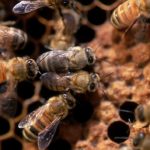
"Environmental Activists Continue to 'Bee' Wrong about Honeybee Health Challenges," Angela Logomasini. Bloomberg reports some good news this week: Honeybee hive health has improved and so-called colony collapse disorder (CCD) is less of a problem than it was before. Yet CCD has never really been the major challenge to bees. Environmental activists have used it as an excuse to advance pesticide regulations, spreading misinformation about its causes and impact. May Berenbaum, an entomologist at … [Read more...]
Standing up for Chlorpyrifos Science
July 19, 2017
"EPA Should Stand Firm on Chlorpyrifos Decision," By Angela Logomasini, Ph.D. EPA Administrator Scott Pruitt took the right stand in favor of sound science last March when he denied an activist petition to ban the pesticide chlorpyrifos. At the time, he explained: "By reversing the previous Administration’s steps to ban one of the most widely used pesticides in the world, we are returning to using sound science in decision-making—rather than predetermined results." But this battle isn’t over; … [Read more...]
Chlorpyrifos Science
July 11, 2017
"Point: Trump’s War on Junk Science," By Angela Logomasini. According to many news outlets, President Donald Trump has “declared a war on science.” Yet judging from at least one recent decision, the opposite is true. The Trump administration is trying to prevent policies based on junk science. A key example is the Trump administration’s denial of an activist petition to ban agricultural uses of the pesticide chlorpyrifos, which farmers have safely used for decades. This decision makes sense … [Read more...]
Another Misleading Honeybee Study
July 5, 2017

"Bees and Neonicotinoids - Another Study Promoting a Media Meme," By Chuck Dinerstein. Researchers from the Centre for Ecology & Hydrology (CEH) have published results of a large-scale field experiment, paid for by neonicotinoid (also shortened as "neonics") manufacturers Syngenta and Bayer, to assess neonicotinoid impacts on honeybees and wild bees across Europe. There were 258 data points, nine of which were negative, seven were positive and four were inconclusive. So 238 of 258 showed … [Read more...]
Roundup and Phony Cancer Claims
April 28, 2017
"No, California, Roundup Won't Give You Cancer," By Julie Kelly and Henry I. Miller. The chemophobes who run California are at it again, siding with environmental activists and pseudoscience rather than evidence and common sense. The state Office of Environmental Health Hazard Assessment announced last month that it was adding the weed-killer glyphosate to its list of chemicals that purportedly cause cancer. Glyphosate — sold as Roundup and under other brand names — is one of the world’s most … [Read more...]
Funding TSCA While Cutting the EPA Budget
April 28, 2017
"Trump Can Fund Chemical Safety Review while Cutting EPA Budget," By Angela Logomasini. Some observers express doubt that the Trump administration can cut the Environmental Protection Agency (EPA) budget by 31 percent and still fund implementation of the newly reformed Toxic Substances Control Act (TSCA), the law that governs the usage of new and existing chemicals found in consumer products from household cleaners to plastic toys. But a recently leaked EPA memo reveals there are plenty of … [Read more...]
Claims about Wild Bee’s Going Extinct are Off-Base
April 28, 2017

"Bee Experts Challenge Environmental Claim That Wild Bees Are Near Extinction," By Hank Campbell. Colony Collapse Disorder, the belief that honeybees, an important pollinator, are being killed off in droves, has been good for environmental fundraising but hasn't had a scientific foundation. Nonetheless, it has persisted for 10 years despite data showing that periodic die-offs in bees are as common, and therefore predictable, as solar cycles and California droughts. From the time that records of … [Read more...]
NIH’s Funding Junk Science?
April 28, 2017

"Who’s Getting Money from NIH?" By Julie Kelly & Jeff Stier. A pair of foreign research organizations have gotten numerous grants for work of unclear value. As Democrats and the scientific establishment howl over President Trump’s proposed budget cuts to the National Institutes of Health (NIH), Congress is investigating whether that agency misspent U.S. tax dollars to fund two European cancer institutions now under scrutiny for conflicts of interest and dubious science. Key lawmakers are … [Read more...]
BPA-Free Stupidity
April 25, 2017
"BPA-Free, Here We Go Again!" By Steve Hentges. The headline almost jumps out at you – “BPA Substitute Could Cause Adverse Pregnancy Outcomes.” That alarming headline appears in an industry publication, but the same story was widely reported in the popular media, which tends to cover science only when they can create scare stories. The article reports the results of a new study from a group of Chinese researchers on health effects associated with a substance named fluorene-9-bisphenol (BHPF), … [Read more...]
Drain the Junk Science Swamp
April 25, 2017

"Draining the Junk Science Swamp," By Angela Logomasini. President Trump’s says he came to Washington to “drain the swamp,” and now his administration is looking for wasteful programs to cut. A great start would be pulling the plug on numerous federal “research” programs that, frankly, have been captured by Washington special interests. In fact, much of taxpayer-funded research serves ideological agendas—especially environmental activism—at the expensive of legitimate scientific inquiry. … [Read more...]
Dirty Marketing of Organic Food
April 25, 2017

"Conventional Produce Is Not Dirty, But The Marketing Tactics Of Big Organic Are," By Steven Savage. For each of the last twenty years, an organization called the Environmental Working Group has issued what it calls a “Dirty Dozen List.” It names crops it claims to have high pesticide residues and recommends that consumers purchase organic versions of these crops. They base their list on a seriously distorted interpretation of a taxpayer-funded testing program called the PDP (Pesticide Data … [Read more...]
Nicholas Kristof on Endocrine Disrupters: Wrong Again!
April 25, 2017

"The Trouble Lies Not In Our Sperm, Poor Nick," by Geoffrey Kabat. The New York Times’ Nicholas Kristof plays up a non-existent threat to sperm from trace exposures in the environment. Nick Kristof is an accomplished reporter who has drawn attention to neglected problems in the developing world. However, when he ventures into issues relating to environmental exposures and their putative health effects, his critical faculties seem to desert him and he repackages sensational but scientifically … [Read more...]
Shine a Light on Regulatory ‘Dark Matter’
February 28, 2017

"It’s Time to Shine a Light on Regulatory ‘Dark Matter’" By Angela Logomasini and Henry I. Miller. Regulation is not the only way the federal bureaucracy inhibits innovation. President Donald Trump’s desire to shrink the regulatory state by significantly cutting the number of regulations and their impact is laudable. But it won’t be easy, and it won’t be sufficient, because the federal bureaucracy’s tentacles reach deep into private enterprise through a number of non-regulatory programs and … [Read more...]
Safe Levels of BPA in Seafood
February 28, 2017
"BPA In Seafood - Is It Safe?" By Steve Hentges. It’s not hard these days to find stories in the popular media about the presence of various chemical contaminants in our environment. Included in this genre are stories about trace levels of chemicals in common consumer products, in the air we breathe, and in the water we drink. Almost inevitably the stories suggest that even minor exposures are harming our health. Making it worse, the consumer media is famous for producing scare stories that are … [Read more...]
Lead in Lipstick Not at “Toxic” Levels
February 28, 2017

"No, There Aren’t Toxic Amounts of Lead in Lipstick," By The Center for Accountability in Science Team. According to the Environmental Working Group, those scoundrels at the FDA are allowing toxic amounts of lead to poison lipstick lovers nationwide! Not so fast. After all, “according to EWG…” is not the same things as “it’s true that…” Last year, the FDA issued guidelines detailing how much lead is safe in lipsticks and other cosmetics. The agency found that products containing less than 10 … [Read more...]
Scrap Proposition 65
February 7, 2017
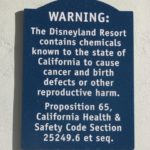
"Scrap Proposition 65, California's Unscientific Chemical Safety Law," By Angela Logomasini. California may soon list glyphosate, the active ingredient used to make Roundup weed killer, as a carcinogen under the state’s so-called “right-to-know” law, originally passed by voters in 1986 as Proposition 65. Its maker, Monsanto, says it will appeal a recent court ruling that would allow the state to proceed, but they may not be able to stop it, even though the state’s claim isn’t supported by much … [Read more...]
Cancer Warnings
February 7, 2017
"Where is Our Money Going?," By The Center for Accountability in Science Team. We’ve expressed frustration for the methods used by the International Agency for Research on Cancer (IARC) to determine what exactly causes cancer (to paraphrase their findings: everything.) When groups claim that most of the chemicals people encounter on a daily basis are cancer causing, the breathless warnings start to look like they’re coming from Chicken Little. This can be dangerous if people become so used to … [Read more...]
Is “Natural” Flavoring Better?
February 7, 2017

"Natural and Artificial Flavors: What's the Difference?," By Ana-Marija Dolaskie. The American Council on Science and Health, since 1978 America's premiere pro-science consumer advocacy non-profit, is pleased to announce our new book, "Natural and Artificial Flavors: What's the Difference?", in order to combat growing confusion about health issues related to food. During the last decade, it has become increasingly fashionable to tout "natural" on product labels. It isn't just fringe companies … [Read more...]
Could Salad Be Hazardous to Your Health?
January 26, 2017

"Salad: The Silent Killer?" By Julie Gunlock. That’s it, folks. There’s nothing left to eat. With news this week that salad may be hazardous to your health, it’s clear we all need to stop eating altogether. Let’s face it, food is a killer. Americans have been hearing just that for decades, and yet life expectancy continues to rise while cancer rates go down, as do deaths due to heart disease. And yet, the food alarmism continues. In the 1990s, Americans were warned to avoid butter, cheese, and … [Read more...]
Bee Listing Could Harm Bees, Butterflies, other Pollinators
January 17, 2017
"Endangered Species Bee Listing Could Harm Bees, Butterflies, other Pollinators," By Angela Logomasini. If you care about the survival of bees and other pollinators in the United States, you should be concerned about yesterday’s U.S. Fish and Wildlife Service announcement that has placed the rusty patched bumble bee on the U.S. Endangered Species Act (ESA) list. Although it may seem counter-intuitive, the ESA listing could harm this bee and other pollinators by creating perverse incentives that … [Read more...]
Politics of a Last Minute ESA Listing
January 13, 2017

"Last-Ditch Regulatory Mischief," By Paul Driessen. As time ticks down on the Obama administration, its appointees and minions in federal agencies across America are scrambling to deliver last-minute favors to their favorite constituencies — especially environmentalists. ...A perfect example involves the Interior Department's Fish and Wildlife Service (FWS), which among other things plays a central role in administering the Endangered Species Act. ... in recent years the act has been invoked to … [Read more...]
Really Fake News: Chemical Scares
January 10, 2017

"The 'Fake News' Problem: Health and Safety Edition," By Angela Logomasini, Ph.D. The moniker “fake news” may have entered the mainstream lexicon in 2016, but phony and misleading news stories have always been a problem—and it’s a phenomenon that doubtless will continue so long as the news media continues disguising political opinion as objective fact. Consider the myriad alarmist news stories this past year hyping risks about chemicals. Read more. Save Save Save … [Read more...]
Rachel Carson’s Destructive Acts
January 9, 2017

"Rachel Carson's 'Heedless And Destructive Acts,'" By Henry I. Miller. Environmental activists gathered last month in Washington DC to celebrate the legacy of the late author Rachel Carson, who gained fame for her book, 'Silent Spring.' ... They’d have done better to pick up trash at a local park. The book is still revered by many (especially by those who haven’t actually read it), but its legacy is anything but positive. ... As detailed by Roger Meiners and Andy Morriss in their scholarly yet … [Read more...]
Over-regulation is Counter-Productive
January 5, 2017
"Over-Regulating Things Like Asbestos is Counter Productive," By Henry I. Miller. Several years ago I participated in a colloquium whose title was something like “Advancing Technology: Thinking Outside the Box.” The presentations ranged from the ever-more imaginative uses of robots (fascinating) to irrigating the Sahara Desert for growing crops that by mid-century could sustain the planet’s burgeoning population (unconvincing). My lecture was the most mundane: I proposed that smarter and more … [Read more...]
Targeting Unaccountable EPA Programs
December 20, 2016

"Congress Should Target Unaccountable EPA Programs," By Angela Logomasini, Ph.D. The newly elected congressional majority should be ready and willing to help implement President-elect Donald Trump’s promise to tackle onerous regulations. But what about so called “non-regulatory programs” that have significant public policy and marketplace impacts? Congress can address problems associated with such programs by defunding them or by bringing them under the authority of existing environmental laws. … [Read more...]
EWG’s Skin-Deep Pseduoscience
December 20, 2016
"EWG Cries Racial Injustice Over Product Safety," by The Center for Accountability. Last week, the Environmental Working Group (EWG) once again stoked the flames of fear with pseudoscience. The group’s latest update to its Skin Deep Cosmetics Database identified 1 in 12 products marketed to African American women as being “highly hazardous,” with fewer than one fourth receiving a “low hazard” rating. Considering the average woman owns 40 different makeup products – a value that doesn’t even … [Read more...]
Wolves, Puppies and Proposition 65
December 20, 2016

"Wolf in Puppy’s Clothing," By Center for Accountability in Science. Three economists out of Harvard and Vanderbilt recently published a paper on risk management which reflects much of what we believe about warning labels. Current warning systems, such as California’s Proposition 65, fail to differentiate between large and small risks – or, as the authors put it, wolves and puppies. Puppies are common, and although their nip may hurt, a pup doesn’t pose much of a threat. Wolves, on the other … [Read more...]
Pesticide Safety
December 20, 2016

"How Can Pesticides Be Safe?," By Steve Savage. Many people may find it difficult to imagine how a pesticide could ever be safe. To understand how that is possible, it is helpful to make the comparison with something more familiar: electricity. It is hard to envision modern life without electricity. As much as we enjoy and need this source of energy, it involves some hazards. Electricity can, and sometimes does, cause injury or death. Yet overall, we think of using electricity as a reasonably … [Read more...]
Carson’s Dangerous Anti-Chemical Legacy
December 20, 2016

"Activists Celebrate Carson’s Dangerous Anti-Chemical Legacy," By Angela Logomasini. Environmental activists are gathering today to celebrate the legacy of the late author and biologist Rachel Carson at an event hosted by the Environmental Energy and Study Institute. Yet this legacy is nothing to celebrate. Carson’s writings included many inflammatory and misleading claims about chemicals, claims that have long been rebuked by scientists. Yet her rhetoric spawned a radical environmental … [Read more...]
Acrylamide Fear-Mongering
December 20, 2016

"Stupid Spelt Backwards: Acrylamide," By David Zaruk, The Riskmonger. In the early 2000s, when risk issues were popping up like poison mushrooms, the Swedish regulators decided to raise alarm bells about the health risks from acrylamide (with human exposures brought about by cooking starchy foods). While other perceived risks attracted patient calls for further research (EMF, GMOs, EDCs, MMR …), the risk from acrylamide exposure drew howls of laughter and cemented Sweden’s reputation as … [Read more...]
Worst Science Websites
November 30, 2016
"The Worst Websites for Science in 2016,"By Ross Pomeroy. Two weeks ago, we revealed our picks for the top science websites of 2016. Whether you seek quality coverage of the latest discoveries, have questions about the validity of the latest fads or diets, or are simply looking for a place to sate your burning curiosity, you can count on those outlets to deliver solid, evidence-based content. We cannot say the same for the organizations we'll be mentioning today. The Internet is full of … [Read more...]
BPA Exposure During Pregnancy
November 30, 2016

"Should Pregnant Women Be Concerned About BPA?" By Steve Hentges. A recent study from French government researchers reported new results on the exposure of pregnant women to more than 100 substances that might be a concern for the health of a developing fetus. The study examined exposure to various metals (e.g., lead, mercury, arsenic) and many common organic compounds that we might encounter in our daily lives. Included in the study was bisphenol A (BPA), which is used primarily as a building … [Read more...]
Fight Zika with Regulatory Reform
November 30, 2016
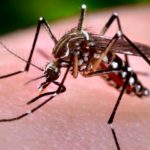
"Trump Could Fight Zika with Regulatory Reform" By Angela Logomasini, Ph.D. President-elect Donald Trump has promised that he will focus on reversing an expanding federal regulatory burden. As part of that agenda, he should address regulatory hurdles that undermine efforts to control dangerous mosquito-transmitted diseases, such as the Zika virus. Quick action on Zika is essential as it spreads in Florida with potential serious health effects. Zika can cause microcephaly, a serious and … [Read more...]
Glyphosate Politics
November 30, 2016
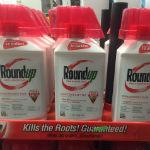
"While Unlikely To Be Carcinogenic, The Herbicide Glyphosate Is A Symptom Of A Deep Social Pathology," By Geoffrey Kabat. On both sides of the Atlantic a battle is raging between starkly opposed views of what science tells us about risks to our health emanating from our surroundings, including our food, water, and the wider environment. This battle often pits advocates, nongovernmental organizations (NGOs), politicians, and partisan scientists, who have little ability or inclination to evaluate … [Read more...]
No Need to Fear Pesticide Residue
November 30, 2016

"Do You Really Need To Worry About Pesticide Residues On Your Food?" By Steve Savage. Many Americans have concerns about pesticide residues on food – particularly for fruits and vegetables. In contrast with that oft-communicated perception, the safety of our food supply is well documented. One reason for this disconnect is that there are activist groups (non-governmental organizations) that consistently promote the idea that consumers should buy organic versions of certain crops in order to … [Read more...]
Battling Misinformation About Consumer Products
November 30, 2016

"Six Products Battling Misinformation," By The Center for Accountability in Science Team. Earlier this month, Safer Chemicals, Healthy Families warned against Six Products to Avoid Whenever Possible. Despite admonishing “scare-tactic click bait headlines that throw parents into a panic,” the author proceeded to write just that. So, in the interest of setting the record straight, we present: Six Products Battling Misinformation. Read more. Save Save Save … [Read more...]
The Color White Classified as “Possible Carcinogen”
November 18, 2016

"New Research Brief: 5 Things to Know About Titanium Dioxide," By Center for Accountability in Science. After hearing that the French Agency for Food, Environmental and Occupational Health and Safety (Anses) recently proposed classifying titanium dioxide as a Category 1b carcinogen, we at the Center for Accountability in Science have been busy compiling evidence, and the verdict is in. Titanium dioxide is most widely used white pigment in paints, coatings, plastics, paper, inks, fibers, … [Read more...]
War on Women’s Personal Care Choices
November 1, 2016

"Activists Wage War on Women's Personal Care Choices," By Angela Logomasini, Ph.D. I suspect most women would agree that when you find a skin care product that works, you stick with it. But activist groups are waging war against many key ingredients in our personal care regimens based on highly speculative and questionable science. Both regulators and manufacturers are responding with product bans or “voluntary” product reformulations, leaving women with fewer options. For example, you may soon … [Read more...]
Hormone-Disrupting Chemicals
November 1, 2016

"‘Hormone-Disrupting Chemicals’ Are Not A Global Health Scourge" By Julie Gunlock. Yesterday, the Drudge Report featured an alarming story about endocrine-disrupting chemicals that are in nearly every product we use. Yahoo News’ story “Massive US health tab for hormone-disrupting chemicals“ was just the sort of article that sends people into a panic and will cause many to toss out perfectly harmless and affordable everyday products. In summary: a new study alleges “endocrine-disrupting … [Read more...]
Misleading BPA Warning Labels on Canned Food
October 31, 2016
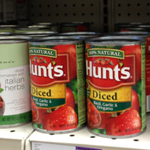
"WARNING: BPA Warning Labels Threaten Public Health," By Angela Logomasini, Ph.D. The state of California has extended an emergency rule that allows companies to wait until January 2017 before placing a warning on the label of food packaging containing the chemical Bisphenol A. Supposedly, BPA poses a health risk that demands this warning label, under California’s Proposition 65 law. Rather than place the warning label on the packaging, stores must post signs that BPA may pose health risks and … [Read more...]
EPA Delay on Glyphosate
October 31, 2016
Why Did the EPA Delay Its Glyphosate Safety Report? By Julie Kelly. The Environmental Protection Agency is punting a final decision on the safety of the controversial weedkiller glyphosate to the next administration. Since 2009, the agency has been conducting a registration review of glyphosate, one of the world most widely-used herbicides, and evaluating any risk to human and environmental health, an assessment required every 15 years. Read more. Save Save … [Read more...]
Phony Claims about “Endocrine Disrupter” Costs
October 31, 2016

"Are Chemicals Really Costing Us Billions?" By Joseph Perrone, Sc.D. A report recently published in The Lancet Diabetes & Endocrinology garnered a lot of attention by claiming that endocrine-disrupting chemicals cost the U.S. $340 billion in healthcare and lost productivity. Certain chemicals are theorized to cause health problems by interfering with the endocrine system, which regulates a number of bodily functions through hormone action. Despite the media attention which may imply … [Read more...]
BPA Safety Standard Confirmed, Again
October 17, 2016

"The European Food Safety Authority has Looked Again… and Confirms: No Need to Change the Safety Threshold for BPA," By BPACoalition.org. “Saying something, is one thing; proving it is another” The European Food Safety Authority (EFSA) recently conducted a review of two studies on BPA, and confirmed that there is no need to change the safety threshold for BPA. The former conclusion remains valid: BPA doesn’t pose any risks for health, at levels we’re incidentally exposed to in our daily lives. … [Read more...]
Misleading BPA-Free Labels
October 17, 2016
"BPA-Free, With Regrets," By Steve Hentges. Not that many years ago, many reusable food and beverage containers on the market worldwide were made from polycarbonate plastic. Polycarbonate, which is made from bisphenol A (BPA), is an almost ideal material for these products since its clarity is comparable to glass, making it easy to see what’s inside, and it’s virtually shatter-proof – an important attribute for consumer products that could be dropped. For years though, BPA has attracted … [Read more...]
‘Advocacy Research’ Discredits Science
October 11, 2016
"'Advocacy Research' Discredits Science And Aids Unprincipled Activism," By Henry I. Miller and Robert Wager. The scientific research enterprise today is in something of a quandary. Various empirical studies show that 80-90% of the claims coming from scientific articles in peer-reviewed journals fail to replicate. (To simplify that statistic, that’s equivalent to only a 10-20% success rate for recipes from a cookbook.) For the most part this is due to flaws in the design of experiments, … [Read more...]
The War Against Sunscreen
October 11, 2016

"HuffPost’s Chemophobia," By The Center for Accountability in Science Team. It seems Huffington Post needs a fact checker. The outlet recently published an article painting the decision between beauty and safety as one where consumers always loses. The article perpetuates the myth that all chemicals are bad by waging war against sunscreen. The author questions whether her readers know both chemical and physical types of sunscreens exist – as if one should be avoided in favor of the other. She … [Read more...]
Glyphosate Fabrications Unraveling?
October 11, 2016
"Glyphosate: A Slow But Steady Vindication," By Alex Berezow. There has been a long history of ridiculous fearmongering by environmental activists masquerading as health experts. BPA, MSG, Alar, DDT, and food coloring are just a handful of chemicals that fell prey to overblown fears or outright fabrications. Today, the whipping boy that takes the brunt of the unfounded chemophobic assault on science is the herbicide glyphosate. Glyphosate is demonized primarily for one reason: Monsanto. To many … [Read more...]
IARC’s Questionable “Science”
October 8, 2016

"Of Questionable Evidentiary Weight' — Another Nail In IARC's Glyphosate Coffin" By Hank Campbell. It seems like a hundred years ago that the International Agency for Research on Cancer (IARC) was considered a neutral force for public good - but it was only 51. In 1965, when the Agency was created by the United Nations, there was a lot of optimism about science and the future and IARC was created to instill confidence in the public about the difference between real harm and scaremongering. Read … [Read more...]
TSCA Reform Casualties
September 20, 2016
"TSCA Reform Casualties Likely Start with Asbestos," By Angela Logomasini. With the Toxic Substances Control Act (TSCA) reform passed into law, environmental activists are developing lists of chemicals they want banned in short order. Asbestos are near the top of the list, as easy targets. After all, it seems logical to get rid of such obvious carcinogens, but it isn’t that simple. In fact, some bans could actually undermine public health and safety. The U.S. Environmental Protection Agency … [Read more...]
Erin Brockovich’s Toxic Fearmongering
September 20, 2016

“'Toxic chromium' Fear-Mongering, By Paul Driessen. Erin Brockovich became rich and famous by promoting the notion that people in Hinkley, CA got cancer because of hexavalent chromium (Chromium-6) in drinking water. Pacific Gas & Electric (PG&E) settled a 1993 lawsuit for $333 million, rather than risk trial by a jury frightened by a steady drumbeat of horror stories from lawyers, activists, celebrities, “journalists” and hired “experts.” The lawyers got $134 million in fees, and Ms. … [Read more...]
Safety of the Artificial Sweetener, Aspartame
September 20, 2016
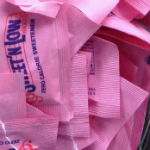
"Should You Stay Away from Aspartame?" By The Center for Accountability in Science Team. Despite decades of research and hundreds of studies demonstrating the safety of the artificial sweetener, aspartame, rumors persist that it’s dangerous. Some flow from the back-country pages of the web, but there’s at least one government agency (in the world) stoking fears: California’s Office of Environmental Health Hazard Assessment (OEHHA). OEHHA might add aspartame to its Proposition 65 list of … [Read more...]
Majority of Pesticides in California are “Approved Organic”
September 12, 2016
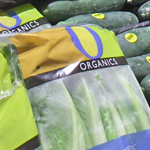
"More than Half of Pesticides used by California Farmers are Active Ingredients Approved for Organic," By Steve Savage. Did you know that organic farmers use pesticides? They do. Would it surprise you to know that many of the same pesticides are used by both conventional and organic farmers? In fact just over half of all the pesticides used in California by all categories of farmers are active ingredients that are approved for organic. Would it surprise you to know that very little of modern … [Read more...]
Biggest Cancer Risk Factor: Age
September 12, 2016

"Disease? Only If There Was Processed Food 2 Million Years Ago," By Hank Campbell. While cancer mortality has plummeted in recent years, survival rates have doubled in the last 40. Yet actual cancer rates have not really fallen overall, and there has long been a subset of people who claim that is because of our "modern" lifestyle; things like food and trace chemicals in the environment. Their solution is to be as ancient as possible; eat what they call a "paleo" diet and try to avoid chemicals … [Read more...]
Reality Check Regarding Microbeads
September 9, 2016
"Team Jen! Leave Jennifer Aniston (and her face wash!) Alone," By Julie Gunlock. Yesterday, the Daily Mail reported that the scientific journal Nature is criticizing actress Jennifer Aniston for promoting Aveeno face wash, which contains microbeads (microbeads are tiny plastic beads that act as exfoliators). This story is sure to resurrect the war on microbeads (the Nature editorial was actually written last year, but the Daily Mail is only reporting on it now). For years, activists have been … [Read more...]
BPA Is Everywhere or Not
September 8, 2016
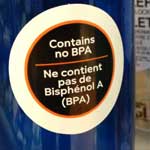
"BPA Is Everywhere, Except Where It’s Not," By Steve Hentges. With the high level of attention to bisphenol A (BPA) over the years, it’s easy to get the impression that BPA is everywhere and we’re constantly being exposed to high and harmful levels in our daily lives. You might even have seen BPA referred to as an “everywhere chemical.” Adding to the confusion, the media is notorious for attaching pictures of products that contain absolutely no BPA to articles about BPA. Perhaps the most common … [Read more...]
Zika Prevention Kit
August 25, 2016
"The Best Possible Zika Prevention Kit Includes DEET," By Angela Logomasini, Ph.D. Last week, Broward Country Florida recorded the first two Zika cases transmitted by mosquitos in the United States. The Centers for Disease Control and Prevention (CDC) is urging pregnant women to assemble and deploy a “Zika Prevention Kit,” which is a good idea. CDC’s suggested kit includes: bed nets; insect repellent; mosquito dunks, which are added to standing water to prevent development of mosquito larvae; … [Read more...]
No Need to Worry about the Bees
August 25, 2016

"The Buzz: Six Reasons Not To Worry About The Bees," by Henry I. Miller. Bees are in the news, but for all the wrong reasons—mainly, dire tales of disappearing bees threatening a third of our food supply. Time Magazine, opting for sensationalism over accuracy, said we were headed toward “A world without bees,” with an online video explaining, “Why bees are going extinct.” They called it the “beepocalypse” and blamed it all on modern agricultural technologies, urging immediate and aggressive … [Read more...]
Beekeeping Fad
August 25, 2016

"Beekeeping Fad And The Stress Of Traveling Is Harmful To Bees," By Hank Campbell. Are bees in peril or not? It's difficult to know, because the moment science declares one thing not an issue (example: neonicotinoid targeted pesticides), environmental groups move the goalposts and declare something else is the problem. When honey bees were shown to be unaffected, groups proposed that wild bees were the big concern, and if amateur record-keeping and a Bayesian estimate agrees, they declare the … [Read more...]
A Perspective on Agent Orange and Dioxin
August 25, 2016
"I’ve Had More Exposure To Agent Orange Than Anyone: Here’s What I Know," By Michael Newton. You’ve probably never heard of me, even though I have studied herbicides used in forests for over 50 years, all of it published in weed science literature. However, you have heard of one famous substance I studied; Agent Orange. Agent Orange is now known to have contained a contaminant “dioxin,” the generic name of over 70 organochlorine compounds that vary in toxicity. Agent Orange was a mixture of the … [Read more...]
Organic Farming Not Better for the Environment
August 25, 2016
"Organic Farms Yield 20% Fewer Crops than Conventional Farms," By Alex Berezow. People buy organic food for many different reasons, most of which are factually incorrect. Quite possibly the biggest myth about organic food is that it is grown without pesticides. That is simply untrue. Others have been led to believe that organic food is healthier and tastier* than conventionally grown food. Those myths have also been busted. Another justification for organic food is that it is more sustainable … [Read more...]
Roundup Safety
August 25, 2016
Roundup Shown to Be Safe (Again), By Center for Accountability in Science. It’s hard to ignore the growing list of scientific authorities from around the world that keep coming to the same conclusion: glyphosate, the ingredient in herbicides such as Roundup, is safe. Recently, that list just got a little longer. That’s because New Zealand’s Environmental Protection Authority released its Review of the Evidence Relating to Glyphosate and Carcinogenicity. The new review considered studies … [Read more...]
Action to Help Monarch Butterflies
August 2, 2016

"Don’t Give up on the Monarch Butterfly!" By Angela Logomasini, Ph.D. Last winter, monarch butterfly numbers soared, increasing by more than one-third in their overwintering habitat. Yet we are well into July, and while my milkweed garden has been abuzz with bees feasting on the nectar, there’s no sign of any monarchs or their caterpillars. I am probably not alone in my dismay, but hopefully butterfly enthusiasts won’t give up—at least I won’t. According to MonarchWatch.org, storms this past … [Read more...]
It’s Time to End Taxpayer-Funded Junk Science
August 2, 2016
"Checks And Balances Are Critical To Public Health," By Jeff Stier. Congressional oversight of executive branch agencies is a key element of the checks and balances that prevent accumulation of too much power, as well as abuse of that power, in any one part of government. A review of two recent congressional oversight endeavors now being stymied by the Obama Administration underscores the often-overlooked importance of the oversight process. In both cases, lives are at stake. The first instance … [Read more...]
“TENDR” Initiative Promotes Chemophobia
August 2, 2016
"Hyperbole: the Road to Reform," By The Center for Accountability in Science Team. No parent wants to expose his or her child to potential neurotoxins. That’s why a group of scientists, health officials, and environmental activists launched Project TENDR: Targeting Environmental Neuro-Developmental Risks and issued a call to action to “reduce widespread exposures to chemicals that interfere with fetal and children’s brain development.” Unfortunately, Project TENDR has taken this laudable goal a … [Read more...]
Safer than Soy: BPA’s Low Risk Belies Common Beliefs
July 25, 2016
"Mind The (Risk Perception) Gap On BPA," By Steve Hentges. It is commonly perceived that natural chemicals are safe while manmade substances may be harmful. These perceptions, however, if not supported by scientific evidence, can result in risk perception gaps that can cause us to worry more than warranted by the evidence. A current example of a risk perception gap is the common belief that naturally occurring chemicals known as isoflavones, which are present at significant levels in some … [Read more...]
Would You Choose a Plastic-Free Lifestyle?
July 19, 2016
"An Austrian Family Avoids All Plastics. Guess What Happens," By Josh Bloom. No- this not a spinoff of Survivor in which the goal is to stay alive without the benefit of a new phone, plastic tooth- and toilet brushes, Tupperware, and laundry baskets. It could be, except reality TV isn’t exactly reality, but the attempts of an Austrian family of five to spend six years trying to avoid contact with any plastic are very real. I’ll leave it to you to decide whether adopting such a lifestyle is … [Read more...]
How We Perceive Risk
July 14, 2016

"It's Important To Know How Your Emotions Influence Risk Perception," By Henry I. Miller. Science applied to risks–of products, processes or activities–can be baffling to non-experts. Because people want certainty in their lives, the provisional nature of the scientific method–what we “know” only applies until disproven by new data–can be worrying. The public want simple black-or-white answers, rather than nuanced, qualified advice about relative risk, and they may become frustrated when they … [Read more...]
Misleading Prop 65 Labeling Regulations
July 13, 2016
"Overregulation Doesn’t Even Spare HIV Patients," By Gregory T. Angelo. This month, the list of substances subject to California’s Proposition 65 was expanded to include Bisphenol-A (BPA), a trace ingredient in many plastics that the scientific community has deemed safe in small amounts.As with other products that include substances deemed cancer-causing under Prop. 65, products that include BPA will now have to carry a warning label stating that they are “known to the state of California to … [Read more...]
TSCA Reform’s Unintended Consequences to Come
July 12, 2016
"Policy Expert: TSCA Reform Will do Little to Protect Public Health," By Meagan Parrish. Much has been said about TSCA reform, and most of it has been positive. In fact, the process of creating and passing the Frank R. Lautenberg Chemical Safety for the 21st Century Act, which was recently signed into law by President Obama, brought together chemical industry representatives and environmentalists alike. But not everyone is convinced chemical law reform will protect public health. According to … [Read more...]
Too Much Media Alarmism on BPA
July 12, 2016
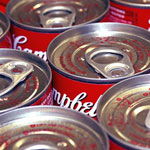
"Too Much BPA?, ByThe Center for Accountability in Science Team. A study published in Environmental Research last week fanned the flames of anti-chemical activists when it drew a link between canned food consumption and the presence of increased levels of Bisphenol-A (BPA) in the urine. The study itself isn’t what we take issue with. In fact, it brought together some of the brightest minds at Stanford, Johns Hopkins, and Columbia Universities. Their research was thorough, encompassing over … [Read more...]